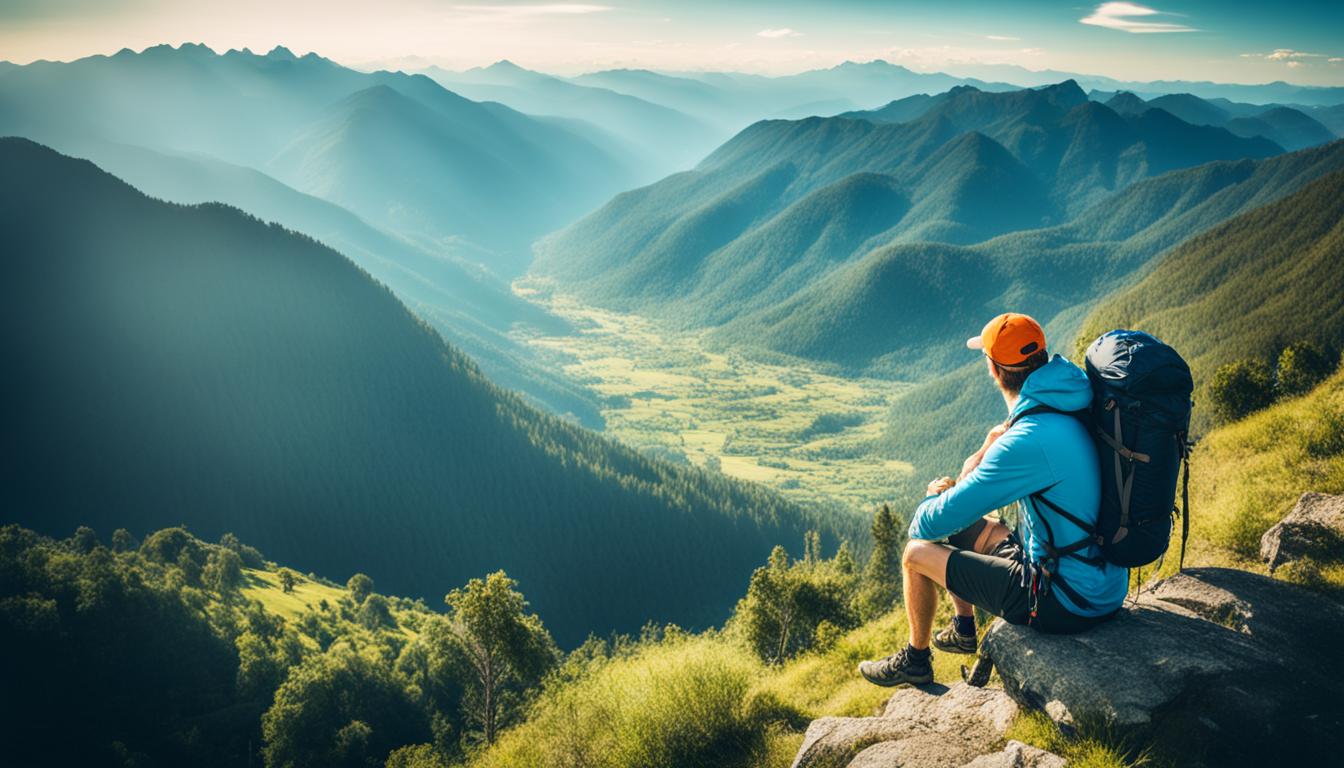
Going on a backpacking trip is a thrilling way to connect with nature and see beautiful landscapes. It’s perfect for a weekend escape or a long trek. To make your trip great, you need to plan well. This guide will help you with the key steps to plan an amazing outdoor journey. We’ll cover everything from picking the best spot to staying safe and comfy on the trail.
We’ll share tips on choosing the right gear and learning how to cook outdoors. You’ll also learn about permits and rules. With these tips, your next outdoor, backpacking, hiking, or camping trip will be a huge success. Get ready to see the beauty of the wilderness and start an adventure of a lifetime with our expert advice on trip planning.
Choosing Your Backpacking Destination
Choosing the right place for your backpacking trip is key to a great adventure. Look into the hiking trails and the terrain to make sure they match your skills and fitness. Also, think about the weather, as it can change your trip’s safety and fun.
Researching Trails and Terrain
Get to know the backpacking trails you want to explore. Check out the difficulty, length, and elevation changes to see if they suit you. The terrain can change a lot, from green forests and meadows to tough mountains and rocky paths.
Considering Weather Conditions
Weather is a big factor in backpacking, so check out what to expect at your destination. Look at the temperature, rain, wind, and storms. This helps you pack the right gear and clothes for any surprises.
By doing your homework on your backpacking spot, trails, terrain, and weather, you’re ready for a fun and successful trip.
Outdoor Gear Essentials
Getting ready for a backpacking trip means picking the right outdoor gear. High-quality gear is key to a comfy and safe journey in the wild. You need the best backpack, sleeping bag, and tent for a great trip.
Backpack Selection
Your backpack is the heart of your gear. Pick one that fits well and can hold all your stuff. It should have adjustable straps, padded hip belts, and breathable back panels. This helps spread the weight out and keeps you comfy on long walks.
Think about the size and how much you’ll carry based on your trip’s length and your gear.
Sleeping Bag and Tent
Getting a good night’s sleep is vital for a successful trip. So, choose the right sleeping bag and tent. Make sure your sleeping bag is rated for the cold where you’re going. It should keep you warm and cozy.
Also, pick a tent that’s light, small, and strong. It should stand up to the weather and give you a safe place to sleep with your friends.
Investing in top-notch gear like a great backpack, a good sleeping bag, and a solid tent makes your trip better. Always do your homework and think about what you need for your trip. This helps you make the best choices for your outdoor gear.
Meal Planning and Food Preparation
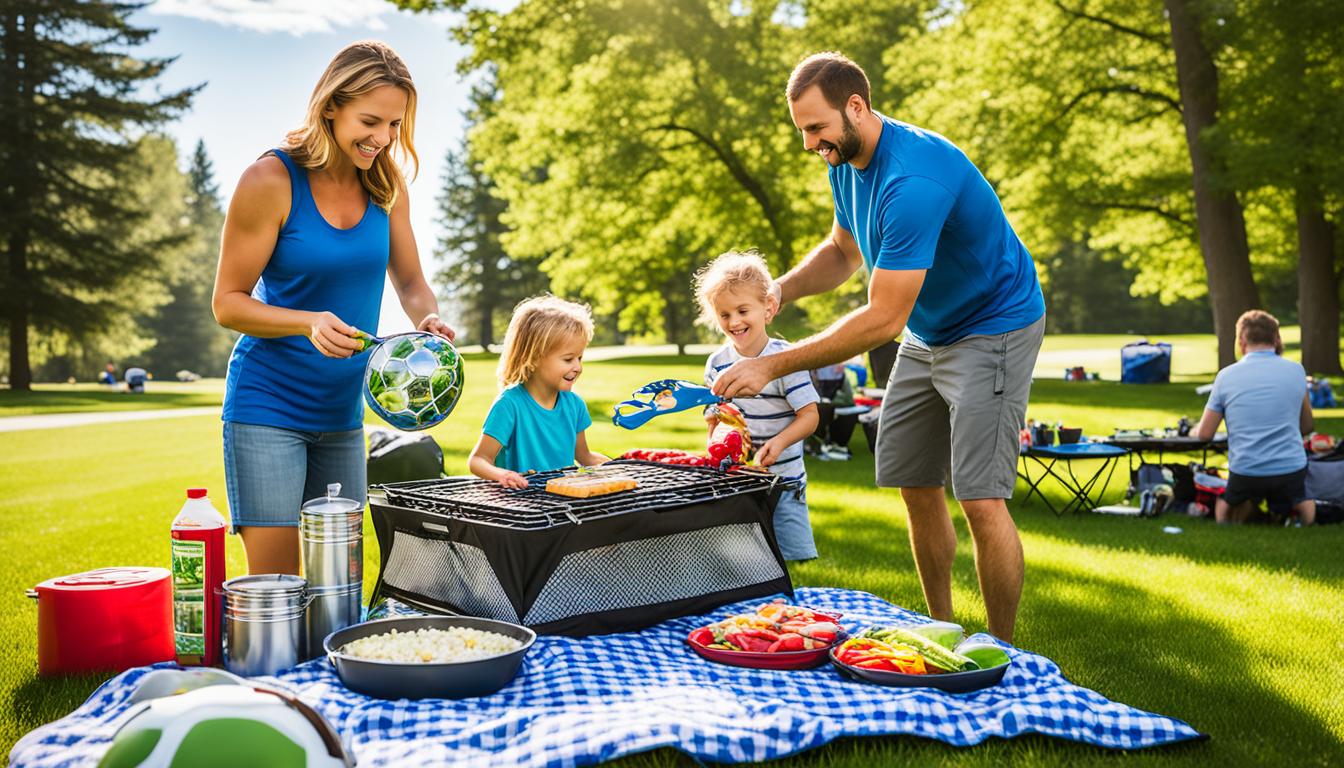
Proper meal planning and food preparation are key for a successful backpacking trip. You should focus on foods that are high in calories and don’t spoil easily. These foods should also be simple to make.
Dehydrated meals are great for backpacking. They are light, take up little space, and are full of calories. You can rehydrate them with hot water quickly. This makes them a handy and healthy choice for hiking.

You can also make your own backpacking food by drying out ingredients at home. This lets you tailor your meals to what you like and need. It also helps make your backpack lighter.
It doesn’t matter how you plan your meals, make sure you eat enough calories to keep up with your active hiking. Plan your meals well. And remember to pack snacks and foods that give you lots of energy for the day.
Obtaining Necessary Permits and Licenses
Before you start your backpacking trip, make sure you have the right permits or licenses. It’s important to know the rules for the wilderness area you’re visiting. This way, you can enter the backcountry legally and safely.
Understanding Regulations
Backpacking rules and access to the wilderness vary a lot by location. Some places need permits for overnight stays. Others limit group size, campfires, or certain gear use. It’s key to check the rules for your destination to avoid problems or fines.
Applying for Permits
Getting backpacking permits and licenses has different steps. You usually need to apply and pay a fee. You might apply online, by phone, or at a ranger station. Remember, some permits are limited and need to be booked early.
Knowing the permit and license needs for your trip is vital. By understanding the rules and getting the right permissions, you can have a safe and legal adventure in the wilderness.
Developing a Comprehensive Itinerary
Creating a detailed backpacking plan is crucial for a great adventure. Start by mapping out your path, thinking about the terrain, distance, and key landmarks. This helps you see the trip’s flow and make sure you hit all the main spots.
Mapping Your Route
Do your homework on the trails and the land you’ll be crossing. Get to know the elevation changes and any challenges you might face. Plan your daily walks and pick out good places to stop and rest.
Accounting for Rest Stops
Make sure to include regular rest stops in your plan. These breaks let you rest, eat, drink, and enjoy the stunning views. Remember to plan for meals, hydration, and any gear checks to keep you and your gear in great shape.
By planning your path and resting spots, you’ll have a solid backpacking plan. This planning makes your trip smooth, fun, and full of unforgettable moments.
Packing Efficiently and Minimizing Weight
Backpacking gear weight can greatly affect your comfort and fun. It’s key to pack smart and keep your backpack light. With a few tips, you can pack better and carry less, making your trip more fun and green.
Start by choosing only what you really need. Focus on the basics like a light shelter, sleeping bag, and cooking gear. Pick lightweight gear that does more than one job. This cuts down on what you carry and makes packing easier.
Spread the weight in your backpack evenly. Put heavy stuff like food and water near your body. This keeps you balanced and eases strain on your back. Use compression sacks and packing cubes to organize your stuff. This makes the most of your backpack space and keeps everything in check.

Embrace minimalism and smart packing to lighten your backpack. This makes you more comfortable and able to go further. Focus on lightweight gear and only take what’s really needed. You’ll have a memorable and eco-friendly backpacking trip.
Safety Precautions and Emergency Planning
When planning a backpacking trip, your safety should be your main concern. Make sure to prepare a detailed first aid kit and have the right communication and navigation tools. These can help you manage emergencies or unexpected events.
First Aid Kit Essentials
A first aid kit is key for any backpacking trip. Include items like bandages, antiseptic wipes, gauze pads, pain relievers, and any personal medicines. Don’t forget supplies for treating blisters, cuts, and bug bites. Learn how to use your first aid kit before you go.
Communication and Navigation Tools
Having the right communication and navigation tools is vital for emergencies. Bring a dependable navigation device, like a GPS or compass, to find your way back. Also, pack a satellite communicator or a fully charged cell phone for calling help if needed.
By being prepared with backpacking safety steps and emergency plans, you can enjoy your trip more. You’ll know you’re ready for any challenges that come your way.
Physical Training and Conditioning
Getting your body ready for a backpacking trip is key for a great adventure. Make sure you’re set by adding strength training, cardiovascular exercises, and endurance-building activities to your workout plan.
Start building backpacking fitness with strength training. Work on exercises like squats, lunges, and core exercises. These help you carry your pack easily and keep a good posture on rough paths.
Also, spend time on cardiovascular exercise to boost your endurance. Walking fast, jogging, or cycling can make you more stamina and let you go further on the trail.
Don’t forget endurance-building exercises in your routine. Slowly increase your workout time and intensity. This could be hiking with a heavy pack or doing high-intensity interval training. It gets your body ready for the long backpacking trips.
By focusing on physical training and conditioning, you’re getting ready for a great backpacking trip. Your body will appreciate the effort, and you’ll enjoy the beauty of nature more.
Leave No Trace Principles
Following the Leave No Trace principles is key to keeping the outdoors beautiful and safe for all. When you go backpacking, aim to leave as little mark as possible. This way, you show respect for the delicate places you visit.
Always pack out your trash, including every wrapper and bottle. Don’t leave any litter, even if it’s small. This shows you care about sustainability and environmental protection. Also, choose your campsite wisely, picking spots that are tough and away from plants and animals.
Live by outdoor ethics that protect nature. Stick to marked trails, keep your distance from wildlife, and dispose of waste correctly. By following these leave no trace rules, you help keep the wild places untouched for the future.