Planning a wildlife watching trip is an exciting adventure that requires careful thought. As someone who loves the outdoors, you’ll get to dive deep into nature. You’ll see amazing animals in their own world. This guide will give you all the tips you need to make your trip great, from picking the best spot to packing the right gear. Get ready for an exciting journey that connects you with nature’s beauty.
Choosing Your Wildlife Watching Destination
Choosing the right place for a wildlife watching trip is the first step. It’s important to research well. Look for places known for their rich wildlife, like national parks and nature reserves. Think about when animals are most active to see them better.
Explore Diverse Wildlife Areas
National parks and nature reserves are great for wildlife lovers. They have many species in their natural homes. Whether it’s an African safari or a trip to North American national parks, there are many places to visit. Pick the animals you want to see and find out where they live.
Time Your Visit Wisely
When it comes to wildlife watching, timing is everything. Some animals are more active at certain times of the year. For example, the best time to see the wildebeest migration in East Africa is from July to October.
Plan your trip during these seasons to see amazing wildlife. This way, you’ll have a better chance of seeing what you want.
Outdoor Gear Essentials for Wildlife Watching
When you go wildlife watching, having the right gear is key. You’ll need it for spotting birds, tracking animals, or taking photos. The right equipment makes your experience better and keeps you ready for the outdoors.
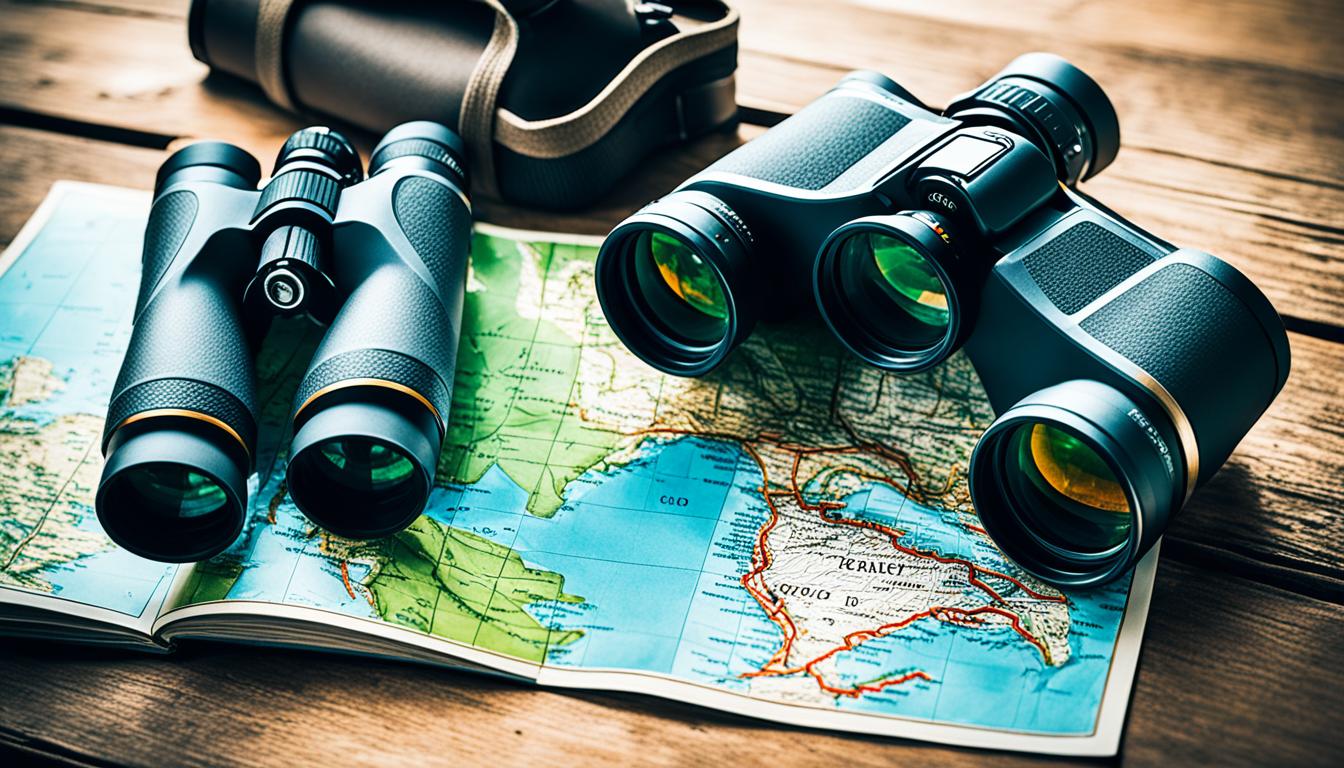
A good pair of binoculars is a must-have for watching wildlife. They let you see animals from a distance without scaring them away. A camera with a telephoto lens is also great for getting close-up photos of wildlife.
It’s important to dress in weatherproof clothing and wear hiking boots that are sturdy. These keep you dry and comfy in different weather. And don’t forget insect repellent to keep bugs away.
With the right gear, you can explore the wilderness safely. You’ll be able to watch wildlife in their natural setting and take amazing photos. This way, you stay safe and don’t disturb the animals you’re trying to see.
Planning Your Itinerary and Activities
Creating a good plan is key to enjoying your wildlife watching trip. It’s important to have a basic plan but also be ready for changes. Mixing guided tours with exploring on your own can help you see many different animals.
Create a Flexible Schedule
Plan your day with a mix of planned activities and free time. First, find out where and when to see the animals you want to see. This helps you make a basic plan with time for wildlife viewing activities, guided tours, and self-guided exploration.
Remember to leave some room for surprises. Sometimes, the best wildlife moments come when you least expect them. Being flexible lets you change your plans if needed, taking advantage of new sights or chances that come up.
With a balanced itinerary planning and daily schedule, you’ll get the most out of your wildlife trip. You’ll have a fulfilling and enriching experience.

Responsible Wildlife Watching Practices
Exploring the outdoors and watching wildlife requires us to be responsible and eco-friendly. By focusing on wildlife conservation, we protect the natural places we visit. This ensures a sustainable future for these important habitats.
Respecting animal behavior is key to responsible wildlife watching. Keep a safe distance from animals and avoid actions that stress them. Follow the Leave No Trace ethic to minimize your impact and leave the area unchanged.
Ethical tourism is vital for wildlife watching. Support eco-friendly businesses that care for animals and their homes. Don’t feed or touch the animals to avoid harming them.
By following responsible wildlife watching practices, you help with wildlife conservation efforts. You’ll also have a real and meaningful experience in nature. Always think about how your actions affect the ecosystem’s balance.
Outdoor Photography Tips for Wildlife Encounters
Capturing stunning wildlife photography can be a highlight of your outdoor adventures. It’s key to know your camera well and its settings. Getting the right camera equipment and learning photography techniques helps a lot. This preparation lets you make the most of your wildlife moments.
Camera Gear and Settings
For wildlife photography, the right gear is crucial. Think about getting a camera with fast autofocus and high-speed shooting. A telephoto lens is also great for getting close-up shots safely. Play with your camera’s settings like shutter speed and ISO to freeze the action and get clear shots.
Composition and Framing Techniques
Good composition and framing can turn a good photo into a great one. Use the lighting to your advantage, like having the sun at your back. Try different angles and views for unique shots. Always think about the animal’s natural behavior and don’t disturb them.
Improving your photography skills lets you keep memories of the animals you see. With practice and the right techniques, you’ll get better at capturing beautiful wildlife photography. This way, you can share the beauty and wonder of nature with others.
Lodging Options Near Wildlife Hotspots
When planning your wildlife watching trip, think about staying near where you want to go. Look into eco-lodges, safari camps, national park accommodations, or rural homestays. These places let you get close to nature and see more wildlife. They also help you plan your budget for the trip.
Eco-lodges are great for those who want to be eco-friendly. They let you enjoy wildlife without harming the environment. Safari camps offer exciting adventures with guided tours to see wildlife up close. National park accommodations, like cabins or campgrounds, are perfect for exploring the park’s wildlife and ecosystems.
For a real local feel, try rural homestays. They’re affordable and support the local economy. They also let you meet locals and learn about their life. No matter what you choose, looking into your options will help you pick the best place for your wildlife adventure.

Guided Tours or Self-Guided Exploration
Planning your wildlife watching trip comes down to two choices: guided tours or self-guided adventures. Each option has its own benefits, depending on what you like and how you like to travel.
Benefits of Hiring a Local Guide
Guided tours with local experts can boost your chances of seeing rare wildlife. They know the area, animal behaviors, and the best places to look. This insider knowledge makes your trip much better.
Local guides also keep you safe and make sure you follow the rules. They know the terrain, the laws, and the dangers. So, you can just enjoy the thrill of seeing wildlife without worrying about the details.
Benefits of Self-Guided Exploration
Self-guided trips give you freedom and control. You can move at your own pace, plan your own route, and enjoy the area on your terms. With some research and planning, you can still have great wildlife experiences and enjoy the beauty of nature.
Choosing between guided tours and self-guided trips depends on what you want, your budget, and where you’re going. Think about the good and bad of each option to pick the best one for your wildlife adventure.
Packing and Preparation Checklist
Planning and preparation are key for a great wildlife watching trip. Start by making a detailed packing list to avoid missing important items. You’ll need things like binoculars, camera gear, survival tools, and first aid kits. These items make your trip better and keep you ready for anything outdoors.
Essential Supplies and Snacks
Also, pack essential supplies and healthy snacks. Carry lots of water and food to keep you going. Remember a first aid kit, weatherproof clothes, and survival tools like a compass and flashlight. With everything in your backpack, you’re set for any wildlife adventure.
Being well-prepared is the secret to a great wildlife watching trip. Take time to make a good packing list. With the right gear, you can enjoy nature’s beauty and have a safe, fun trip.
Safety Considerations for Wildlife Watching
Going on a wildlife watching trip means putting your safety first. Knowing the risks and how animals act helps you stay safe and have fun.
Before you go, learn about the local wildlife laws and what to do in an emergency. Understand how to keep a safe distance, avoid sudden moves, and report any incidents.
While watching wildlife, always be alert and watch your back. Keep a good distance from animals and don’t feed them. This keeps you safe and respects the animals’ space.
If something goes wrong, have a plan and the right stuff ready, like a first-aid kit and a way to call for help. Know the local emergency steps and act fast to keep you and the animals safe.
Putting safety first lets you enjoy nature while showing respect for animals and their homes. Being careful and informed helps make great memories and helps protect these amazing places.
Budgeting for Your Wildlife Watching Trip
Planning a memorable wildlife watching trip means setting a budget. This helps you have enough money for a great experience. You’ll need to think about things like transportation, places to stay, guided tours, and renting equipment.
Booking your travel and where you’ll stay early can save you money. It also helps you relax as you plan your trip. Plus, staying close to where you’ll see wildlife cuts down on travel costs.
Cost-Saving Tips and Strategies
Visiting during the off-peak season can also save you money. You’ll still see lots of wildlife, and it might be less crowded. If you want to join a guided tour, look around for the best deals.
Renting things like binoculars and cameras is cheaper than buying them. Also, getting travel insurance can protect you from unexpected costs. This could save you a lot of money later.
With a solid budget and smart saving tips, you can enjoy your wildlife trip worry-free. You won’t have to stress about money.
Capturing Memories: Journaling and Scrapbooking
Start your wildlife watching adventure by keeping a journal and scrapbook. A wildlife journal lets you save your observations, sketches, and thoughts. It’s a way to remember the animals you see and the beautiful places you visit.
Creating a travel scrapbook is another great way to keep your memories alive. Put in your photography, sketches, and other keepsakes like ticket stubs and maps. This makes a unique keepsake that takes you back to your trip.
Journaling or scrapbooking your wildlife watching journey lets you relive the magic of your trip. It’s a chance to enjoy every moment and make a lasting memory of the wonders you saw.