Start a journey of cultural immersion and find the real heart of a place by experiencing local traditions. Traveling like a local opens up a world of real experiences that go beyond usual tourist spots. Cultural Immersion lets you connect deeply with the communities you visit. You learn about their life, customs, and values.
Immersive Travel means you get to join in the daily life of a local community. You can take part in festivals, learn a new skill, and more. These experiences help you truly appreciate the cultural richness of the place.
Choosing Authentic Cultural Engagement lets you discover hidden treasures off the beaten path. Talk to locals, hear their stories, and see traditions that have lasted for years. This deep connection with the culture will change your travel experience, making it a journey that transforms you.
What is Cultural Immersion?
Cultural immersion travel lets you explore the world and connect with local communities deeply. It’s not just about watching from afar. Instead, you get to join in the traditions and daily lives of the people you meet. This way, you can share cross-cultural experiences and exchange ideas and customs.
This style of travel goes beyond the usual tourist experiences. Travelers dive into cultural exchange programs to learn about the local way of life. They might attend community festivals or learn traditional crafts. There are countless ways to make meaningful connections.
“The real voyage of discovery consists not in seeking new landscapes, but in having new eyes.”
– Marcel Proust
Through cultural immersion, travelers gain a deeper understanding and appreciation for different cultures. This approach encourages empathy, curiosity, and a true appreciation for the unique experiences each place offers.
Why Choose Cultural Immersion Travel?
Traveling for cultural immersion can open up new personal growth and understanding. It goes beyond just seeing sights. It lets you dive deep into local customs and traditions, creating a real connection.
Choosing cultural immersion travel lets you see the world in a new way. You’ll meet local communities and learn from them. This can change how you see things and help you understand different cultures better.
“When you travel, you not only see different places, but you see yourself in a different light.” – Somali-British poet, Warsan Shire
Traveling this way also makes your trip more meaningful. You get to live like a local and experience daily life. This way, you can really connect with the culture and make lasting friendships.

Embracing cultural immersion travel is a great way to make your journey richer. It challenges you to see the world in a new light. This can be a life-changing experience that stays with you forever.
Top Destinations for Cultural Immersion
Dive into the world of Indigenous Communities and diverse cultures. Places like Mexico City and the Andes offer deep cultural experiences. The Navajo Nation in the American Southwest is a prime spot. Here, you can learn about their traditions through tours, workshops, and ceremonies.
Bali, Indonesia, is a mix of Hindu and Buddhist cultures. You’ll see temples, festivals, and shadow puppet shows. In Northern Thailand, the Hmong and Lisu peoples welcome you to experience their traditions.
The Sápmi region in Scandinavia is another unique spot. It’s home to the Sámi people and their reindeer herding and shamanistic traditions. Cultural Immersion travel lets you connect with locals and appreciate human diversity.
How to Plan a Cultural Immersion Trip
Starting an Immersive Travel journey is thrilling. It lets you deeply connect with a new culture. But, planning a great Cultural Exchange Program needs careful thought. Begin by learning a lot about your destination. Look into the local customs, festivals, and traditions that make it special.
Choose places to stay that let you feel part of the community. Homestays or small, family-run inns are perfect for this.
Being flexible is crucial for Immersive Travel. Say yes to unexpected experiences and chance meetings. These moments often give you the best insights into local life. Travel with an open mind, a desire to learn, and respect for the culture you’re exploring.
“The real voyage of discovery consists not in seeking new landscapes, but in having new eyes.” – Marcel Proust
When planning your Cultural Exchange Program, think about taking language classes. Or, get a local guide to show you the culture’s finer points. Learn about etiquette and social norms to interact with respect. By diving into the local community, you’ll make lasting connections and memories. These will deepen your understanding of the world.

Engaging with Local Communities
Exploring new cultures means respecting local communities. Voluntourism, or volunteering while traveling, can be very meaningful. But, it’s important to do it in a way that truly helps the communities you visit.
First, understand what the local people need and think. Don’t just do what you want. Instead, listen and learn from them. Work with local groups to find out how you can help, whether it’s in schools, hospitals, or helping the environment.
“The most transformative cultural immersion experiences often come from the unexpected connections and insights that arise from genuine, humble interactions.”
Respecting local customs and traditions is also key. Don’t just use the community for your own benefit. Be a respectful visitor, helping in ways that truly help the locals. This makes your trip better and helps keep the community’s culture and freedom alive.
Being open-minded, eager to learn, and respectful of local communities is crucial. This way, you can build real, lasting connections. True cultural immersion travel is about these genuine connections and the positive change they bring.
Food: A Gateway to Culture
Diving into the local customs and traditions of a place is a deep way to connect with its cultural immersion. Food is a universal language that opens doors to a community’s heart and soul. It shows us its history, values, and daily life.
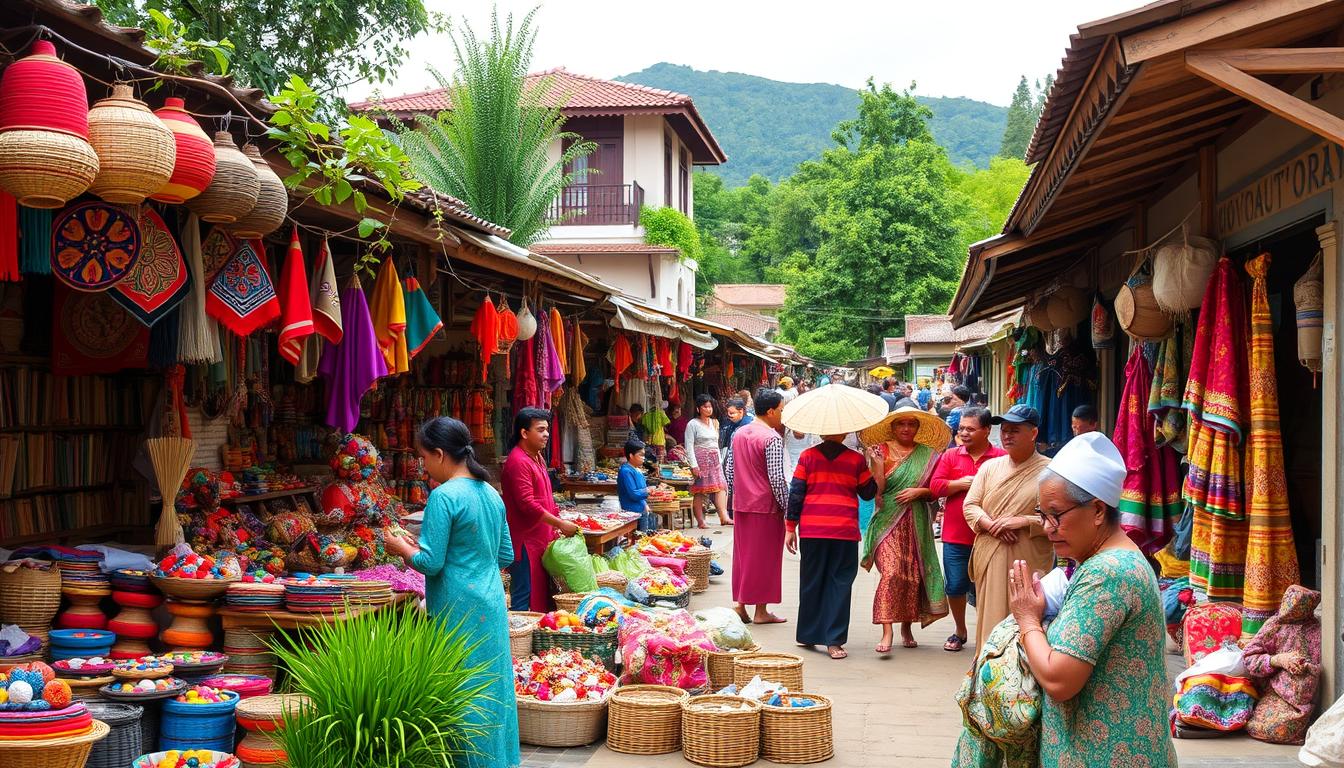
Visiting food markets is a treat for the senses. The sights, sounds, and smells of fresh foods and spices take you to the culture’s core. Taking a cooking class with a local chef or home cook is special. You learn traditional recipes and bond over making a meal together.
“Food is not just sustenance, it’s a reflection of a culture’s identity, traditions, and way of life.”
Enjoying a street food treat or a big family-style feast lets you connect with local customs and traditions. These culinary journeys make your cultural immersion experience richer, more real, and unforgettable.

Learning the Language
Immersing yourself in a new culture is an incredible experience. Learning some of the language is a great way to connect with locals. Even a few basic phrases can help a lot in building cross-cultural experiences and connections.
Learning the local language isn’t hard. There are many resources like language apps and free online courses. Spending some time learning before your trip can make your language immersion and cultural understanding much better once you arrive.
“The limits of my language mean the limits of my world.” – Ludwig Wittgenstein
Don’t be shy to practice your language skills, even if they’re simple. Locals love it when visitors try to speak their language. Saying hello, being polite, and trying to order food or ask for directions can help a lot.
Using the local language opens up a richer cultural experience. Learning and using a few words and phrases can deepen your understanding of the people and their life. This can lead to more meaningful encounters, shared experiences, and lasting memories after your trip.
Choosing Local Accommodations
Choosing where to stay can really change your travel experience. Instead of staying in big hotel chains, think about host family stays or local guesthouses. These places offer a real taste of the local culture.
Living with a host family lets you really get to know the local community. You can see how they live, share meals, and talk about important things. It’s a great way to learn about their culture.
“Experiencing a new culture through the eyes of a local host family is a truly transformative experience. It’s like being welcomed into a family and getting to see the world from a whole new perspective.”
Another choice is community-based tourism. Here, you stay in places owned by locals. It’s a way to travel that supports the community and lets you dive deep into their traditions.
By picking host family stays or local places, you get a real cultural experience. You also make lasting connections with the people you meet. It’s a way to truly appreciate the places you visit.
Cultural Etiquette and Sensitivity
When you start exploring Cross-Cultural Experiences, knowing local customs is key. Learning about cultural etiquette helps you navigate different cultures with respect and ease.
Being adaptable is crucial for cultural immersion. Be ready to learn and watch how locals act in different situations. Dress codes, greetings, and what’s considered polite can vary a lot from what you’re used to. By understanding these differences, you can fit in better and make real connections with the community.
Avoid making assumptions and be careful of cultural misunderstandings. Approach each interaction with humility, curiosity, and a desire to learn.
In some places, direct eye contact might seem too much or rude. Actions that seem harmless at home could be seen as offensive elsewhere. Knowing these small differences helps you avoid unintentionally offending people.
By being culturally sensitive, you’ll make your travels more rewarding. You’ll also build stronger bonds with the local community. Use this chance to learn, adapt, and create lasting cross-cultural connections.
Storytelling and Shared Experiences
Immersive cultural travel is more than just seeing sights. It’s about making real connections and understanding local communities. Storytelling and shared experiences are key to this.
Through Cultural Exchange Programs, you can hear stories from locals. These tales reveal the culture, traditions, and lives of the people. By listening and sharing your own stories, you create a deeper connection.
“Travel is not just about seeing the sights, it’s about connecting with the people and understanding their stories.”
Experiences like sharing meals or joining festivals create lasting memories. They help you understand the local culture better. This way, you appreciate the world’s diversity more.

Cultural immersion is a two-way street. By sharing your stories, you enrich the experience for both you and your hosts. This mutual respect leads to a truly transformative journey.
Preserving Cultural Heritage
As we travel, we must protect the rich cultural heritage of the world. By connecting with indigenous communities, we help keep their traditions alive. This way, we support the sustainability of their unique ways of life.
Exploring local cultures helps us understand their histories, beliefs, and customs. This understanding should lead to a commitment to preserving their heritage. We must ensure these traditions are passed down for future generations.
Supporting local businesses and artisans is a great way to help. Buying handcrafted goods and attending cultural events directly aids those who keep their heritage alive. Dining at family-owned restaurants also supports their livelihoods.