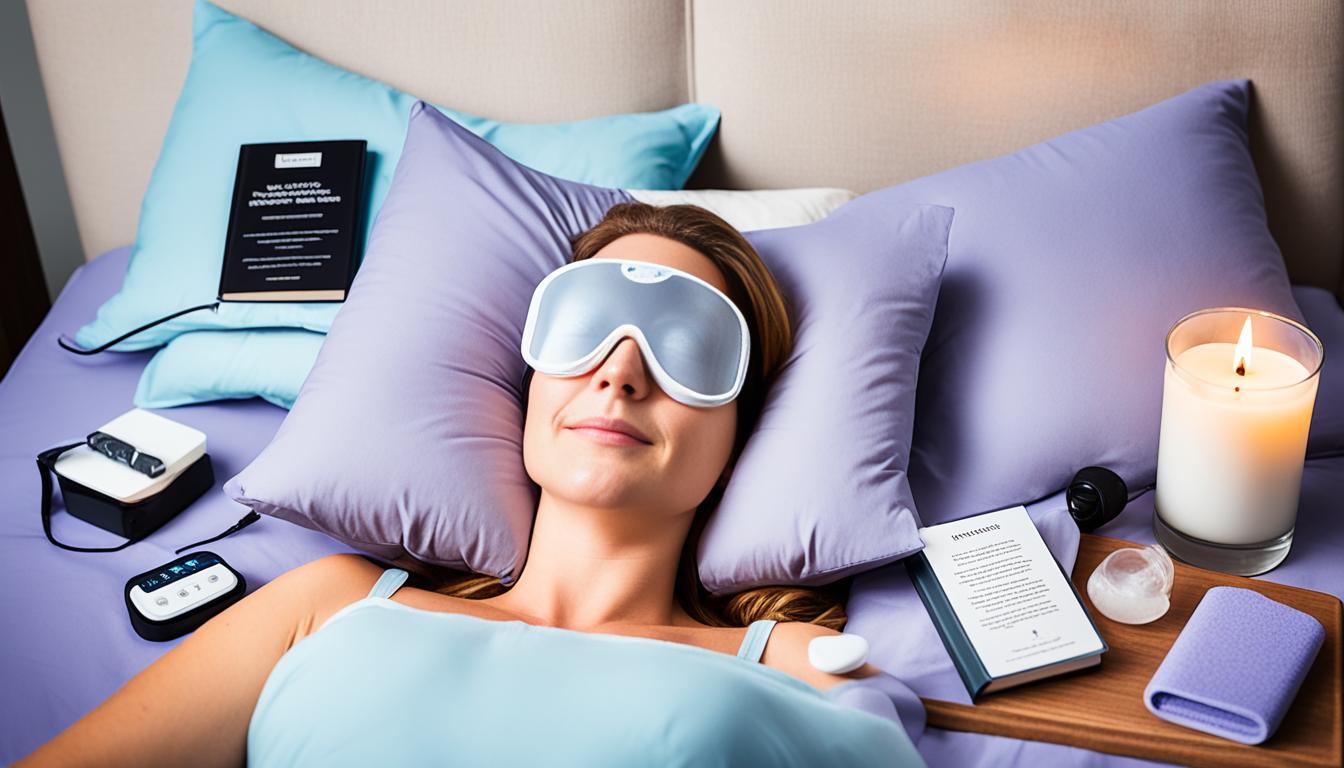
Getting good sleep is key to your health and happiness. This guide offers 10 easy tips to boost your sleep quality. You’ll learn how to wake up feeling great by following these strategies. From setting a regular sleep schedule to making your bedroom sleep-friendly, these tips will help you sleep better. Say hello to a life improved by better sleep.
Importance of Quality Sleep
Getting enough sleep is crucial for staying healthy in both body and mind. It helps the body heal, keeps the immune system strong, and improves thinking skills like memory and focus. Learning how sleep affects our health is important for feeling better and doing better in life.
Impact on Physical and Mental Well-being
Sleep is key for staying healthy. It fixes and grows tissues, controls hormones, and keeps the immune system fighting well. Not sleeping enough can lead to obesity, heart disease, and diabetes. For mental health, good sleep helps manage mood, stress, and thinking clearly. Not sleeping enough can make anxiety, depression, and trouble focusing worse.
Benefits of Adequate Sleep Cycles
Good sleep cycles are very important for feeling good. They help with remembering things, solving problems, and being creative. They also help with physical recovery, muscle fixing, and hormone balance. People who value good sleep feel more energetic, happier, and think better all day.
Establish a Consistent Sleep Schedule
Creating a regular sleep schedule is key to better sleep quality. Going to bed and waking up at the same time every day helps your body’s internal clock. This routine improves your sleep patterns and quality.
Sticking to a consistent sleep schedule keeps your body’s natural sleep cycle in check. Your body gets used to this routine, making it easier to fall and stay asleep. This leads to more restful sleep, making you feel refreshed and energized the next day.
Also, a regular sleep schedule helps manage your circadian rhythm, which controls your sleep cycle. By following a set routine, your internal clock stays in sync. This results in better sleep quality and overall health and well-being.
Create a Sleep-Friendly Environment
Making your sleep area supportive is key for good rest. By improving lighting, temperature, and noise levels, you can make your bedroom better for sleep. This helps with sleep hygiene and improves sleep quality.
Optimize Bedroom Conditions
Keep your bedroom cool, dark, and quiet for the best sleep. Aim for a temperature between 65°F and 70°F to help your body’s natural sleep cycle. Use blackout curtains or an eye mask to block out light, which can mess with your sleep patterns.
Minimize Light and Noise Disturbances
Lower light and noise that can wake you up. Shut off devices like TVs, laptops, and phones an hour before bed. Think about using earplugs or a white noise machine to cover up any loud sounds. A quiet, dark room helps you sleep better and feel refreshed.

Exercise Regularly but Not Too Close to Bedtime
Being active is key for your health, including how well you sleep. Exercise can make you fall asleep faster and sleep more deeply. But, it’s key to work out at the right time to not mess with your sleep.
Doing exercise or physical activity in the day helps your sleep quality. It makes your body’s sleep cycle better, helping you sleep well. Plus, it can make you feel less stressed and happier, which also helps with sleep.
But, when you work out matters a lot. Don’t do pre-bedtime exercise or intense physical activity close to bedtime. Exercise can keep your heart rate and energy up for hours, making it hard to sleep.
Try to finish your exercise 2-3 hours before bed. This lets your body relax and get ready for sleep. Finding the right balance between exercise and workout timing can make your sleep and health better.
Lifestyle Tips for Improved Sleep
Getting better sleep is not just about certain strategies. It’s also about living a lifestyle that helps your sleep. By changing your daily habits and focusing on your well-being, you can greatly improve your sleep. Here are some lifestyle tips to help you sleep better.
Start with a calming bedtime routine. Do relaxing things like reading, stretching, or meditating to tell your body it’s time to sleep. Stay away from screens and exciting activities before bed, as they can mess up your sleep. It’s also key to manage stress well. Use deep breathing or writing in a journal to relax your mind for sleep.
Also, living a healthy lifestyle can help your sleep. Eating well, drinking enough water, and exercising regularly (not right before bed) can all help. By making these lifestyle changes, you’ll be on your way to better sleep quality and more sleep.
Limit Caffeine and Alcohol Consumption
Caffeine and alcohol can greatly affect how well you sleep. They might seem like good ways to relax or get a boost, but they can hurt your sleep patterns.
Caffeine and Sleep Disturbances
Caffeine acts as a stimulant that can mess with your sleep cycle. Drinking caffeine, like in coffee, tea, or energy drinks, too close to bedtime makes it hard to fall asleep. It also makes sleep less deep and restful, leaving you tired the next day.
Alcohol and Sleep Quality
Alcohol might make you sleepy at first, but it can make your sleep worse later. Drinking alcohol can cause you to wake up more often, sleep lightly, and have less REM sleep. REM sleep is important for thinking and remembering things. This can make your sleep poor and make you feel tired during the day.
To get better sleep, try to cut down on caffeine and alcohol before bedtime. Changing this can help improve your sleep and make you feel more awake and refreshed in the morning.

Practice Relaxation Techniques
Adding relaxation practices to your daily life can greatly improve your sleep. Mindfulness meditation and deep breathing exercises are two great options. They help calm your mind and lower stress.
Mindfulness and Deep Breathing Exercises
Mindfulness meditation means focusing on the now. You pay attention to thoughts and feelings without judging them. This can help you manage anxiety and find peace, which is key for good sleep.
Deep breathing exercises activate your body’s rest system. By breathing slowly and regularly, you lower your heart rate and blood pressure. This leads to a state of calm that’s perfect for sleep.
Just 10-15 minutes of mindfulness or deep breathing each evening can improve your sleep. By quieting your mind and calming your body, you prepare for a restful night.
Manage Stress and Anxiety
Stress and anxiety can make it hard to sleep well. Luckily, there are ways to handle these feelings and get better sleep. By dealing with the root causes of stress and anxiety, you can sleep more peacefully.
Strategies for Reducing Worries
Using cognitive-behavioral techniques is a good start. These methods help change negative thoughts and find better ways to cope. Try mindfulness, like deep breathing or meditation, to calm your mind and lessen anxiety. Also, managing your time and focusing on what’s important can reduce stress.
It’s also key to relax more. Activities like yoga, gentle stretches, or progressive muscle relaxation can lower stress. This helps make your body and mind ready for sleep.
Everyone is different, so find what works for you. Try out various techniques and be patient as you learn better ways to cope. By focusing on managing stress and anxiety, you’ll get closer to enjoying good sleep.
Avoid Screen Time Before Bed
Using digital devices like smartphones, tablets, and computers before bed can hurt your sleep. The blue light from these devices messes with your body’s natural sleep cycle. This makes it tough to fall asleep and stay asleep.
To keep your sleep healthy, try to avoid screens for at least an hour before bedtime. Instead, do relaxing things that don’t involve blue light. This could be reading a book, stretching gently, or listening to calming music. Doing these activities helps your brain get ready for sleep, leading to better sleep.
By cutting down on digital screen time before bed, you can improve your sleep quality. You’ll wake up feeling more refreshed and ready for the day. This simple habit is key to your overall health and well-being, making you feel great all day.